11/18/26 - A Stella Young biopic, and two sides of humiliation

Good afternoon!
Three very relatable articles today ...

Stella Young Is Not Your Inspiration
Beth Haller, The Global Disability News Network - November 4, 2026
"By calling out offensive memes and other negative media representation, she helped everyone grasp what she called “inspiration porn.” Now a documentary called “Stella. I am not your inspiration” is underway by Australian filmmaker Sarah Barton, director of Defiant Lives (2017) and a longtime friend of Young’s."
I haven't even seen the Judy Heumann movie yet, and already I'm looking forward to the in-progress documentary about another disability culture icon and mentor, Stella Young. Who else in disability history do we need to see dramas or documentaries about? I have one or two people in mind. But I'm also aware that doing a film about someone isn't a guaranteed good thing. You need a lot of thought, respect and real understanding of the person depicted, and the right people to ensure that those things are present in the finished product. Also, there are thousands of disabled people who did wonderful things that nevertheless probably don't translate into compelling movies. And it's so easy to tell disabled people's stories poorly. Care and talent is an absolute requirement.
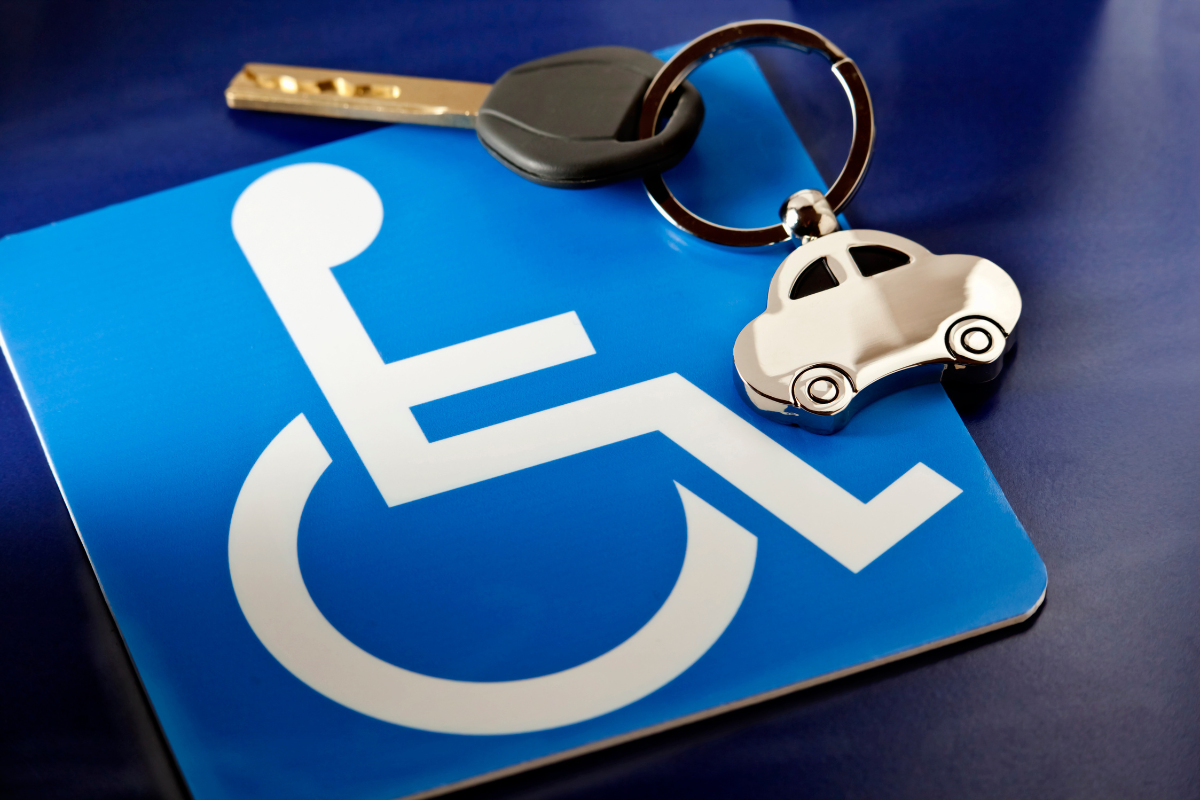
No One Should Be Shamed for Using a Mobility Aid
Nicole Clark, Time - November 8, 2026
"This is especially true for people, like me, with invisible disabilities—impairment that isn’t externally obvious—and people with dynamic disabilities, whose symptoms change from day to day. These types of disabilities are fairly common: an estimated 70% to 80% of disability is invisible, and such disabilities are often misunderstood. Just because someone is an ambulatory wheelchair user or only uses mobility aids during a flare-up doesn’t mean they don’t need them. And it certainly doesn’t mean it’s okay to shame people who use them."
I can relate, to an extent. I've only started using a manual wheelchair in my home, and a walker outside it in the last two years. In both cases, it was enough of a necessity for me that I didn't for a second hesitate to adopt them. But I would be lying if I said I don't still sometimes feel self-conscious about it. And it's notable that I only ever feel weird about it when I'm in front of other people. I haven't been subjected to any stigmatizing comments or behavior – at least not that I've noticed. Maybe that's because my disabilities are visible and obvious in other ways, with or without the wheelchair or walker. That's why the subtext of this article rings true to me – that people with "invisible" disabilities tend to get more flack and ableism than others. Age and gender make a difference, too. A young, "normal" looking woman with a cane will almost certainly be more stigmatized than a short, obviously impaired man like me with a walker. Ableism is inseparable from most other "isms" – in real-life experience, not just in social theory.
Don't Move Me Like Furniture
Christiane Link, The Accessible Link - November 11, 2026
"Let me be very clear about this. You don’t push a wheelchair user without speaking to them first. You ask. Many of us can push ourselves perfectly well, and we would like to. Moving someone around like a piece of furniture is intrusive, and I’m amazed I still have to write this in 2026."
This post is about several aspects of how travel industry staff treat disabled people – not just the indignity of shoving wheelchair-users around without permission. I am particularly interested in what Christiane has to say about the value of "scripts" in helping public service staff serve disabled people better. Still, pushing a wheelchair without asking is probably both the worst and the easiest to correct violation service staff still tend to do. And I don't think "violation" is too harsh a word.



Disability Thinking Weekday is a Monday-Friday newsletter with links and commentary on disability-related articles and other content. You can help promote Disability Thinking Weekday by forwarding it by email or posting on your social media. You can also send comments by email to: apulrang@icloud.com. Collected comments are shared around the start of each month. A free subscription sends a newsletter to your email each weekday. Benefits of a paid subscription also include:
- A monthly recap with links to all of the previous month's shared articles, organized by topic.
- Listing as a Supporter, with a link to your website if you have one.
- You can recommend one disability-related article for me to share per month in a weekday post.
Use the buttons below to start a free or paid subscription, or make a one-time donation of any amount.
I am so grateful for your help and engagement, in whichever forms you choose!
Free subscribers: 1,295
Paid subscribers: 55