11/17/26 - Work requirements, new senators' positions, and disability studies

Helloo!
I hope everyone's week is off to a reasonably good start. Before we get to today's links, I want to thank some new free and paid subscribers. A huge thank you and welcome to Cyndi Jones and Kathy Neas, who are new Paid Subscribers, and to new Free Subscribers Katrina Jirik, Fred Pelka, Tiffany Meehan, and Maribeth Romslo. Going forward, I will be thanking new subscribers this way regularly, as they come in. You can also always see a list of the Paid Subscribers on the Supporters page of the Disability Thinking Weekday website. Both paid and free subscriptions help keep this newsletter going and growing. I really appreciate it.
Now here is today's disability reading ...

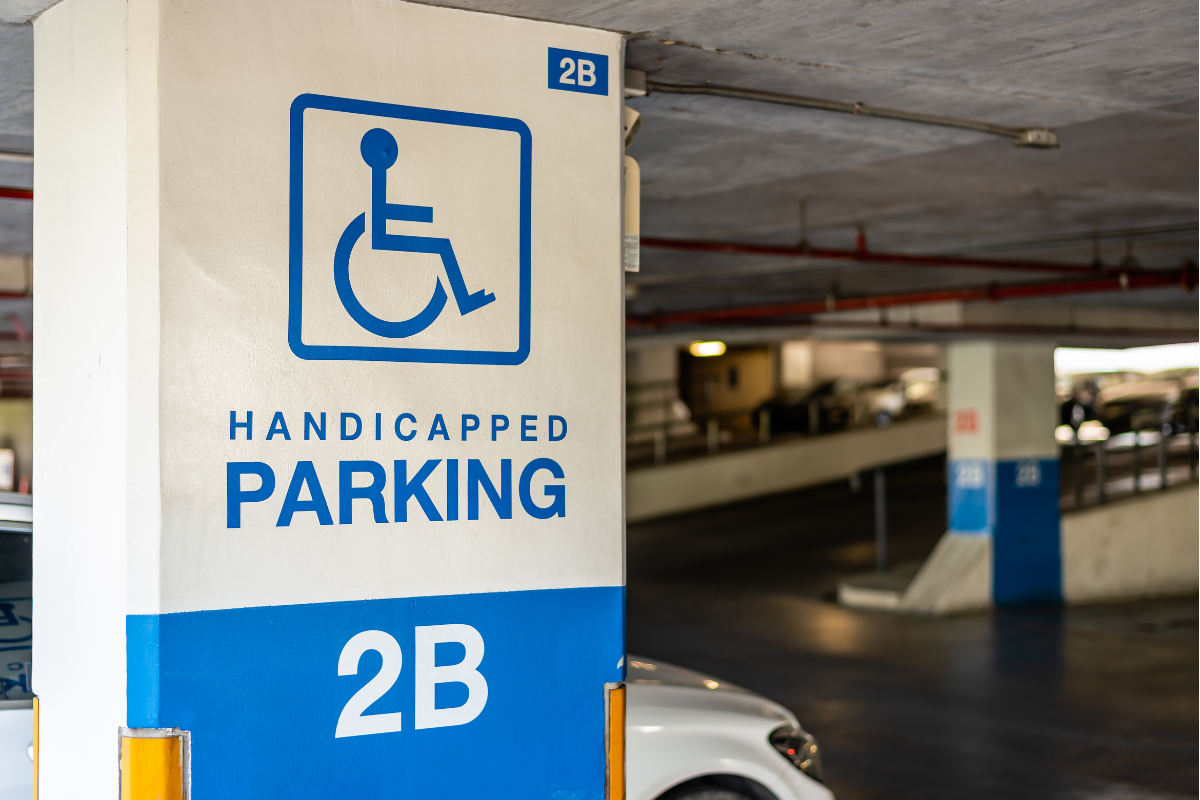
States can delay controversial Medicaid work requirement for six months
Daniel Wu, Washington Post - November 13, 2026
"During the six month period, states should continue to assess whether Medicaid recipients and applicants satisfy work requirements but not deny applications or disenroll otherwise eligible recipients, according to CMS ... Opponents of the work requirement rule welcomed the announcement."
There's an argument we rarely seem to have enough time to make in debates over disability and working. Disabled people who might be able to work sometimes make a rational decision not to. Sometimes it's because we really do risk losing benefits more valuable than what little we can possibly earn in a job – despite the network of work incentives that do help a lot of disabled people work while keeping our benefits. Other times, we opt out of the job market because we know that at least for a while, our bodies and/or minds just aren't up to it. It goes against the grain of most disability empowerment rhetoric. Usually we want to persuade people – especially employers – that disabled people can work. But, the truth is sometimes we can't. Which is not to say that we should easily accept that some disabled people can never work because of their disability. That's a very different argument. For one thing, it's based on an assessment by others about what we can or can't do. There's a huge difference between deciding for ourselves that work isn't our top priority at the moment, and someone telling us that they know we're unsuitable for a job we are actively seeking. All of these arguments make the notion of work a requirement to earn benefits like health care ludicrous. Any step away from that, even for just a few months, is a good thing.
Where five new senators stand on disability rights
Eric Michael Garcia, The Political Spectrum - November 11, 2026
"But a host of the freshmen Democratic senators have at least a passing understanding on disability rights. Here are some of the Democratic freshmen who have focused on disability rights in the past."
I'm glad to have found Eric Michael Garcia's newsletter. His posts on X, (formerly Twitter), and now on Bluesky have for a long time helped me in keep up with U.S. politics, with a particular but not exclusive emphasis on disability issues. My perception from this overview of some of the incoming Senate Democrats is that while they have disability policy records of a sort, none of them seem poised to be hugely visible or powerful champions for disability community priorities. Of course, their current records and recent statements are just starting points. It's our job to persuade them, as it is their job and responsibility to listen and at the very least take us seriously. I don't recommend "trusting" any of them in the sense so many of us seem to think of it – as in, "I don't trust any of them!" But we can insist that if they have any interest in being known as advocates for people with disabilities, they have to earn it. It's easy to say you're a supporter of disability rights. It's another matter to actually be one.
Disability Studies Launch Event: "Why Disability Studies Now?"
American University, Washington, DC - November 19, 2026
"To celebrate the launch of AU's newest minor in Disability Studies, we invite our campus and DMV community to join us for a conversation about the importance of Disability Studies in this particular moment."
I do feel like I need to learn more about the importance of Disability Studies, especially "at this particular moment," when academic pursuits like this are under siege and, possibly, our of favor. One question I have is whether Disability Studies should try to move its work out of abstract theorizing and closer to everyday disabled people's lives. Or, is it academic disability studies' unique role to keep pushing the envelope intellectually, on theory and scholarship, no matter what is happening in everyday disability life and politics. I can see good arguments on both sides of that question.





Disability Thinking Weekday is a Monday-Friday newsletter with links and commentary on disability-related articles and other content. You can help promote Disability Thinking Weekday by forwarding it by email or posting on your social media. You can also send comments by email to: apulrang@icloud.com. Collected comments are shared around the start of each month. A free subscription sends a newsletter to your email each weekday. Benefits of a paid subscription also include:
- A monthly recap with links to all of the previous month's shared articles, organized by topic.
- Listing as a Supporter, with a link to your website if you have one.
- You can recommend one disability-related article for me to share per month in a weekday post.
Use the buttons below to start a free or paid subscription, or make a one-time donation of any amount.
I am so grateful for your help and engagement, in whichever forms you choose!
Free subscribers: 1,295
Paid subscribers: 55