5/14/26 - Employment figures, executions, and fashion

Hello!
Well, it's a bit of a mixed bag today. There's not much in common to tie these links together, except of course the aspirations, lives, and beauty of people with disabilities. That's enough I guess.

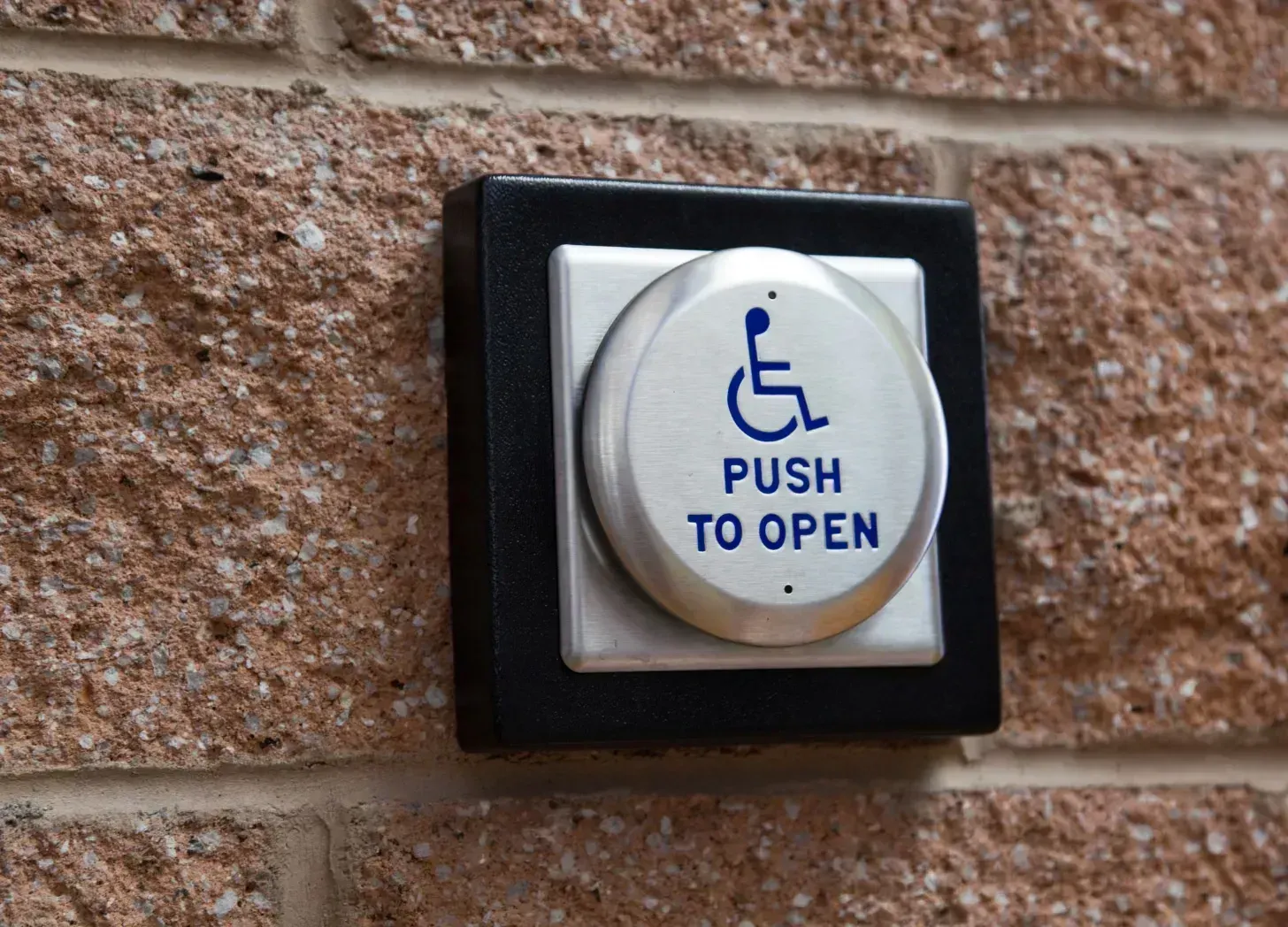
Employment of people with disabilities declines but remains near all-time high
Kessler Foundation, EurekAlert! - May 8, 2026
"The May 2026 National Trends in Disability Employment (nTIDE) report indicates a decline in employment for people with disabilities. But while month-to-month changes are expected within a more limited range at the post-pandemic plateau, people with disabilities continue to maintain stronger employment gains than before the pandemic."
It's been months since I checked in on the Kessler Foundation / University of New Hampshire's monthly employment reports. I have the same questions now that I always do. What kind of employment numbers are we aiming for? What's the ideal? What can we realistically expect, if we could get better policies and supports in place? Is the very gradual but noticeable improvement in disabled people's employment rates over many recent years inevitable, a sign of some kind of natural progress? Is it because we really have improved some key employment policies and practices? Or, did the pandemic actually have a long-term positive effect that we are still seeing, but could disappear, or be overtaken by another big development, like maybe AI? I'm going to try to remember to check out these monthly reports more often.
The US could soon make it easier to execute people with intellectual disabilities
Sophia Laurenzi, The Guardian - May 9, 2026
"Such a process contradicts the clinical consensus that intellectual disability is a holistic diagnosis and can never be based on just one IQ score. Alabama’s argument is wrong, but not surprising. Since the Atkins decision, some states have looked for ways to continue executing people with intellectual impairments. When Florida tried to create a strict IQ cutoff of 70 before considering an intellectual disability claim, the supreme court said no. When Texas implemented a determination process that relied more on the fictional character Lennie from Of Mice and Men than on clinical diagnostics, the supreme court said no again."
There are layers to this recurring debate over capital punishment and people with intellectual disabilities, and they are all uncomfortable. Some of the arguments for not executing intellectually disabled people seem to rely on sentimentality, and on outdated ideas about intelligence and intellectually disabled people. When we say a person with 70 IQ isn't responsible enough to be punished for crimes as others are, what are we saying about them in other areas of life? On the other hand, capital punishment is terrible. It shouldn't be used on anyone. At the very least, it falls below the standard of civilized policy held in most of the world right now. And it's not hard to see how some forms of intellectual or learning disability can contribute to sequences of events that can make it more likely that someone will commit heinous crimes like murder. The problem is we can go on forever trying to untangle all the threads of argument. But on a gut level, it just feels wrong that some US states are trying to execute more disabled people. All specifics and nuances aside, it feels like heading in the wrong direction.
The Met Gala's Inclusion of Disabled People Proves Fashion Can't Exist Without Body Diversity
Maya Moore, Teen Vogue - May 11, 2026
"The last “ugly law,” as they were retroactively named, in the United States wasn’t repealed until 1974. Fifty-two years later, disabled people were in full, intentional display on fashion’s biggest and most exclusive night: the Met Gala."
This is about more than just a few disabled people looking amazing at the recent New York Metropolitan Museum of Art Gala. Read the whole article to explore the planning and advocacy that went into this disability inclusion, and about the border effort to bring disabled people into the fashion world.





Disability Thinking Weekday is a Monday-Friday newsletter with links and commentary on disability-related articles and other content. You can help promote Disability Thinking Weekday by forwarding it by email or posting on your social media. You can also comment by sending me an email at: apulrang@icloud.com. Collected comments are shared on the first of each month. A free subscription sends a newsletter to your email each weekday. Benefits of paid subscription include:
- A monthly recap with links to all of the previous month's shared articles, organized by topic.
- Listing as a supporter, and a link to your website if you have one.
- You can recommend one disability-related article for me to share per month in a weekday post.
To to subscribe, upgrade to paid, or make a one-time donation, click one of the buttons below:
I am so grateful for your help and engagement, in whichever forms you choose!
Free subscribers: 1,280
Paid subscribers: 45