2/17/26 - Snow, Black disability history, and disabled love

Good afternoon!
And we're back! Still busy, but in a good way, and manageable. Here are your three disability links for today ...

The snow is finally melting, but the frustrations of disabled people remain
Dana Hedgpeth, Washington Post - February 14, 2026
"Then, after the sidewalks outside of her complex that lead to a nearby shopping center were shoveled, the path remained too narrow to fit her wheelchair. Plows had also dumped huge mounds of snow into the curb cuts, preventing her from getting to a nearby bus stop that she uses to get to her job as an independent living specialist in Silver Spring ... 'I felt very frustrated and angry,' Harrod, 47, said. 'Nobody thinks about us during a snowstorm. People with disabilities are the last to be thought of and considered.'"
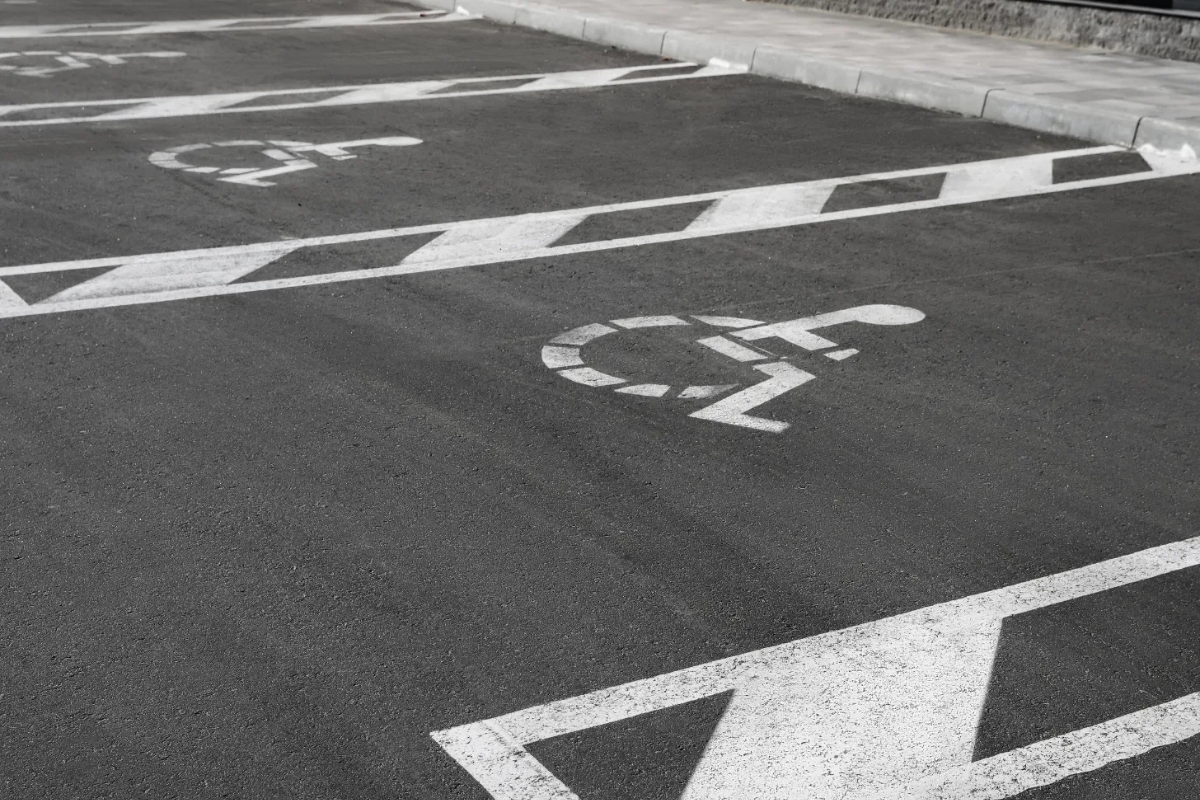
I couldn't resist sharing another article about snow and ice, pedestrian access, and people with disabilities. It seems like this is one of the many problems that legitimately qualify as "not the worst thing in the world" for disabled people, but that are actually a lot worse than most other people realize. For many of us, it's certainly a lot more than merely xcan annoyance, which probably is what it seems like to most non-disabled people.
The Stories We're Told
Sara Minkara, Curious Constructs - February 12, 2026
"Born with limb differences, Tate Harrington became a street performer in Philadelphia, playing the electric keyboard with her tongue. When the state tried to take her infant daughter, claiming she couldn’t parent, Tate Harrington demonstrated exactly how she cared for her child and won."
This is more than just a profile of a black disabled pioneer. The video linked in this article, part of the PBS Renegades series of profiles of disabled people, is a nearly perfect blend of inspirational and empowering. That's rare in disability media. Seeing Celestine play music and write with her tongue made me think, "Wow. That's amazing," without irony or cringing ... a reaction I often have to scenes like that. The story of her fight to parent her children showed that her accomplishments were more than amazing tricks. They made a lasting impact. This is the best kind of disability storytelling.
The Power of Giving Your Disabled Characters a Happily-Ever-After
Sabina Nordqvist, Literary Hub - February 10, 2026
"As I met more disabled writers, I realized the lack of nuanced representation wasn’t because no one was writing it. They were getting the same feedback. Disability could be published, but it needed to be palatable. The versions we were writing made readers grapple with the realities of being disabled in the United States."
This first-person piece starts with an extensive exploration of a disabled writer's harrowing and harmful rehabilitation experiences, and how they first pushed her to consume any and all love stories involving disabled characters. Later she started to be more particular and discerning. She realized that the mere presence of disabled characters in love doesn't always by itself mark progress. This helps highlight a crucial difference in how disability in literature, TV, and movies is seen. The more mainstream "progressive" view is to applaud anything that features disabled people, and to celebrate any kind of apparent win or positivity for disabled characters. But eventually, we get to the point where it matters who the disabled character is, how they are portrayed, what their accomplishments and victories actually mean, and most of all, who is telling the story. Unfortunately, the gatekeepers of literature and popular media haven't entirely fully processed this yet.



Disability Thinking Weekday is a Monday-Friday newsletter with links and commentary on disability-related articles and other content. You can help promote Disability Thinking Weekday by forwarding it by email or posting on your social media. You can also comment by sending me an email at: apulrang@icloud.com. Collected comments are shared on the first of each month. A free subscription sends a newsletter to your email each weekday. Benefits of paid subscription include:
- A monthly recap with links to all of the previous month's shared articles, organized by topic.
- Listing as a supporter, and a link to your website if you have one.
- You can recommend one disability-related article for me to share per month in a weekday post.
To to subscribe, upgrade to paid, or make a one-time donation, click one of the buttons below:
I am so grateful for your help and engagement, in whichever forms you choose!